
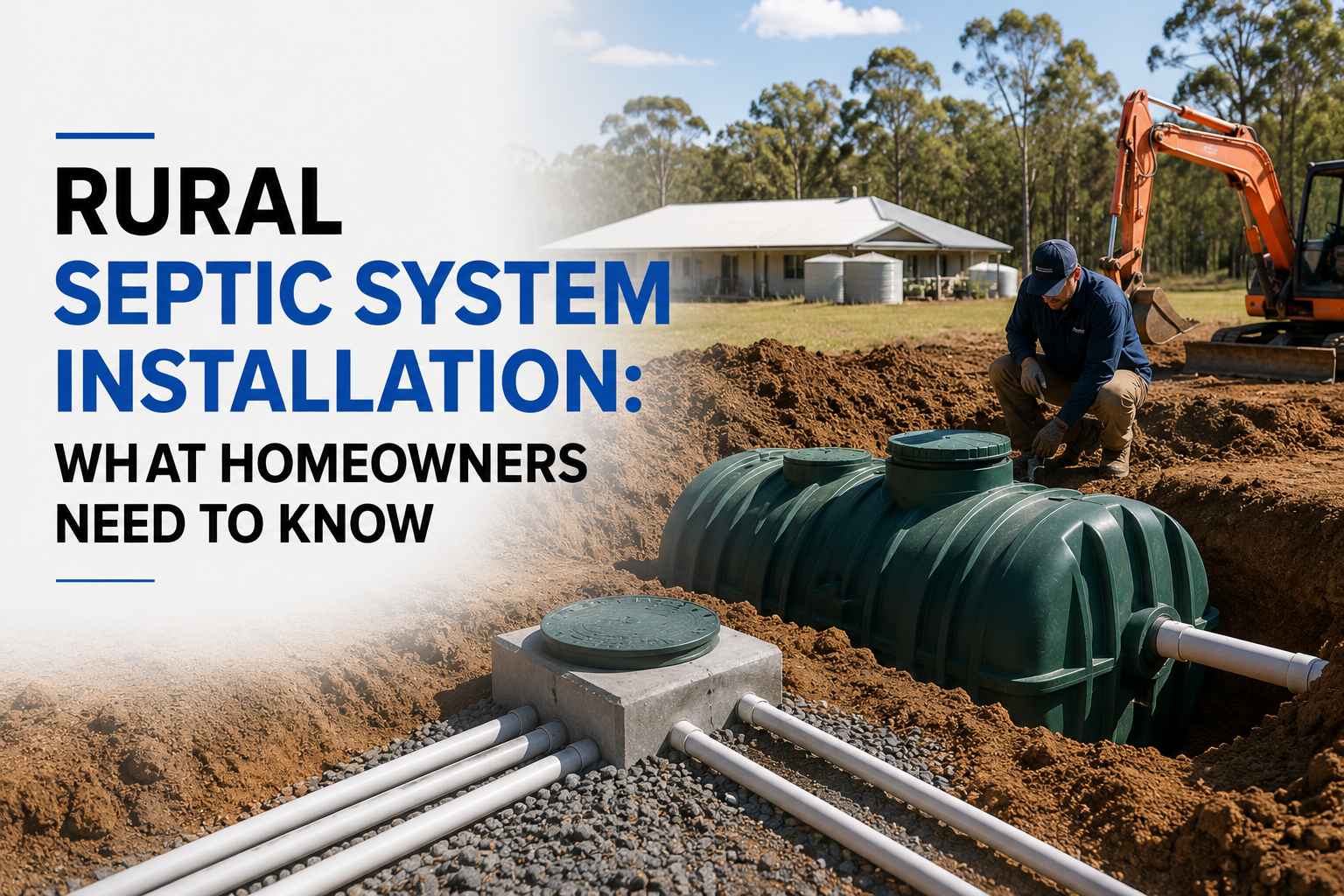
For homeowners living outside the reach of municipal sewer systems, a properly functioning septic system is not optional; it is essential. Whether you are building a new rural property or upgrading an ageing system, understanding what Septic Tank Installation involves can help you make informed decisions, avoid costly errors, and stay compliant with Australian regulations. From site assessment and soil testing to system type selection and council approvals, the process is more involved than most homeowners expect, and cutting corners at any stage can result in long-term problems that are expensive to fix. Approaching the project with the right knowledge and a licensed professional by your side is the best way to protect both your investment and the surrounding environment.
How a Septic System Works
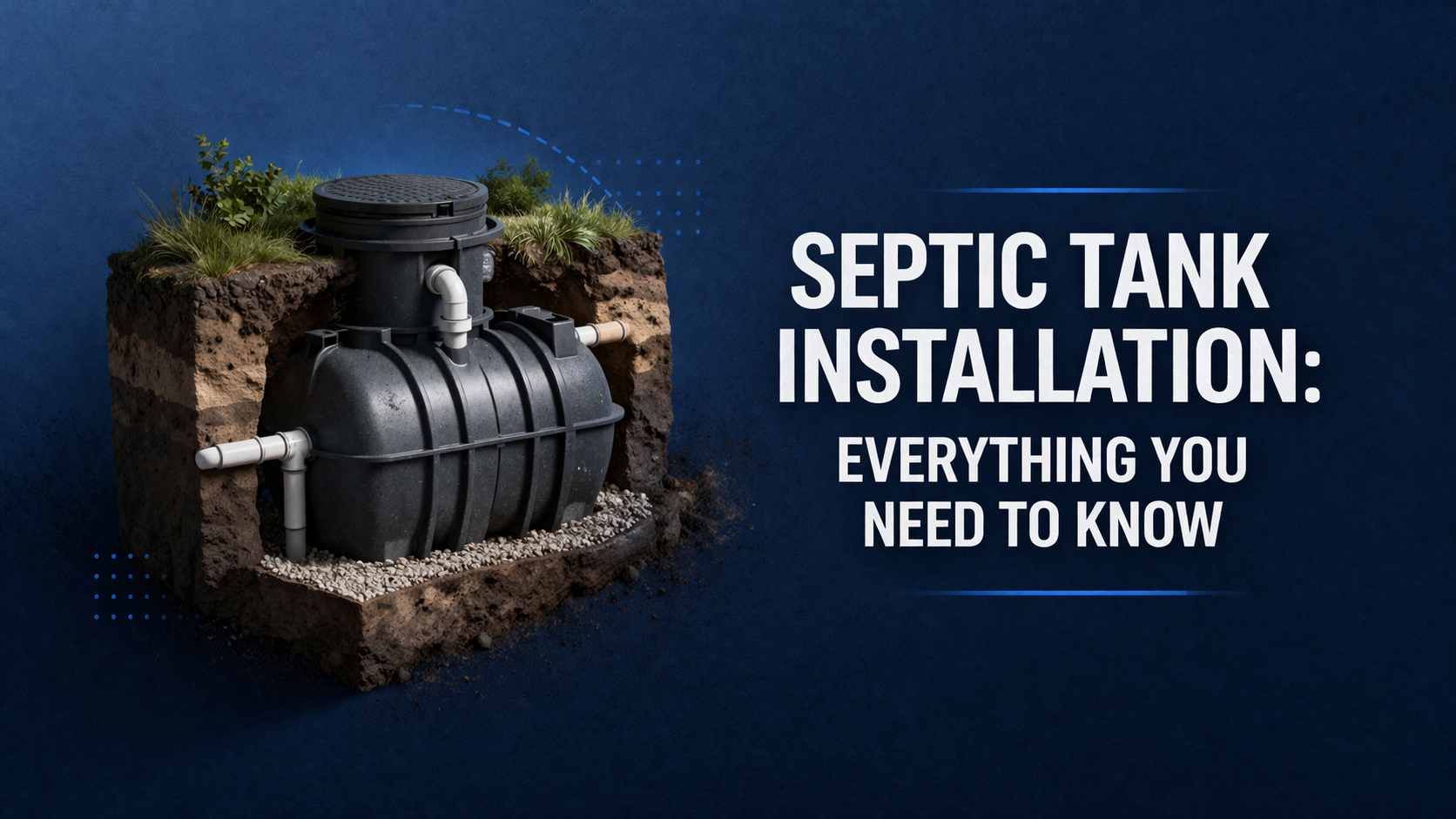
A septic system is an on-site wastewater treatment solution designed to manage household waste safely when there is no connection to a centralised sewer. It typically consists of two primary components: the septic tank itself and a drain field, sometimes called a leach field or absorption trench.
Wastewater from your home flows into the septic tank, where solids settle to the bottom and form sludge, while lighter materials such as grease and oils float to the top as scum. The liquid layer in the middle, known as effluent, is then directed into the drain field, where it is slowly absorbed into the surrounding soil and naturally filtered. Beneficial bacteria in the tank break down organic matter over time, reducing sludge volume and keeping the system functional between pump-outs.
Modern systems have evolved considerably. Depending on your soil conditions and land area, your licensed plumber may recommend an aerobic treatment unit (ATU), a worm farm system, or a mound system for properties with high water tables or poor soil permeability. Each system type has different space, power, and maintenance requirements, so the right choice depends heavily on a site-specific assessment rather than a one-size-fits-all approach.
Site Assessment and Regulatory Requirements in Australia
Before any installation begins, a thorough site assessment must be completed. This typically includes a soil percolation test, which measures how quickly water drains through the ground, and a land profile evaluation to determine appropriate setback distances from property boundaries, water sources, and structures. In Australia, Septic Tank Installation must comply with AS/NZS 1546 (On-site domestic wastewater management) and be approved by your local council or the relevant environmental authority.
Each state and territory may impose additional regulations. In Western Australia, the Department of Health oversees the approval of on-site wastewater systems. At the same time, properties in New South Wales must meet requirements set by the NSW Environment Protection Authority. Queensland homeowners must comply with the conditions set out in the Plumbing and Drainage Act 2018 and any local government planning requirements specific to their region. Failure to comply with applicable standards can result in fines, mandatory rectification works, or complications when selling your property, none of which are outcomes any homeowner wants to face.
Working with a licensed and experienced plumber is critical at this stage. Guru Plumbing’s team is well-versed in navigating state-specific permitting processes and ensuring your system is designed to meet all applicable standards before the first shovel hits the ground.
The Installation Process: What to Expect
Once permits are secured and the system design is approved, installation can begin. Excavation is carried out to the depth and dimensions required by the system design. The septic tank, usually constructed from concrete, fibreglass, or polyethylene, is placed and levelled precisely to ensure effective flow between the inlet and outlet pipes. Inlet and outlet baffles are installed within the tank to control wastewater flow and prevent disturbance to the settled sludge layer.
The drain field trenches are then excavated, lined with gravel or aggregate, and fitted with perforated distribution pipes. Soil is backfilled and graded to promote proper drainage and prevent surface ponding. For more advanced system types, such as ATUs, electrical connections and control panels are also installed at this stage, along with any alarm systems required to monitor unit performance.
The entire system is inspected and tested before council sign-off. Any issues identified during this phase must be rectified before the Septic Tank Installation is considered complete and compliant. This final inspection step is not a formality; it is a safeguard that protects the homeowner, the surrounding environment, and neighbouring water sources from the risks associated with a poorly commissioned system.
Maintenance, Longevity, and When to Call a Professional
A well-installed septic system can last 20 to 30 years or more with appropriate maintenance. Routine pump-outs are recommended every three to five years, depending on household size and tank capacity. Signs of a failing system include slow-draining fixtures, gurgling sounds in pipes, sewage odours near the drain field, or unusually lush green patches of grass directly above the leach area. Any of these symptoms should prompt an immediate call to a licensed plumber before the problem worsens.
Homeowners should avoid flushing non-biodegradable items, excessive use of antibacterial products (which can disrupt the beneficial bacteria in the tank), and planting deep-rooted trees or shrubs near the drain field, as root intrusion is one of the most common causes of septic system failure. Directing stormwater or roof runoff toward the leach area should also be avoided, as saturated soil loses its ability to absorb effluent effectively and can cause backups or surface breakout. Keeping a written maintenance log, noting pump-out dates, inspection results, and any unusual symptoms, is a sound habit that provides useful history for a licensed plumber diagnosing a problem and can be a practical asset when transferring the property.
Proper Septic Tank Installation is a long-term investment in your property’s sanitation and environmental responsibility. If you are planning a new rural build or need to replace an outdated system, trust a licensed team to do it right the first time. Guru Plumbing brings over 25 years of plumbing expertise to every job, from site assessment and permit management through to installation and post-project inspection. Contact us today to discuss your requirements and get your project started on solid ground.


0 Comments