
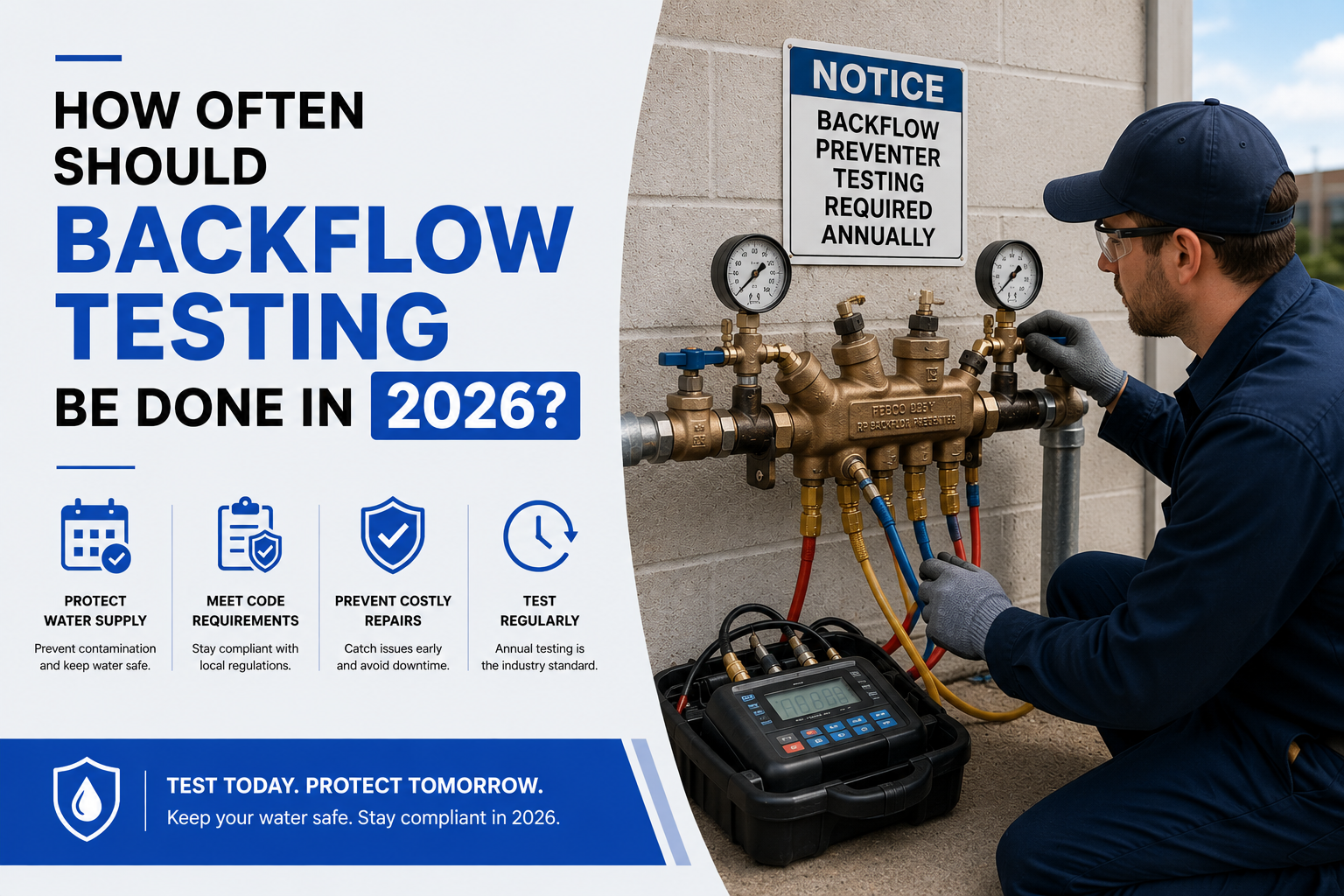
Clean, safe drinking water is something most Australians take for granted, but maintaining that safety requires active, ongoing management of the plumbing systems that connect properties to the public water supply. One of the most important yet frequently overlooked aspects of water quality protection is backflow prevention. Whether you’re a homeowner, business operator, or facilities manager, understanding the requirements around backflow testing in 2026 is essential for staying compliant with Australian regulations and ensuring that your property’s water supply remains free from contamination. With water authorities increasing their focus on compliance and enforcement, now is the time to get your backflow prevention up to date.
What Is Backflow and Why Does It Pose a Risk?
Backflow is the reversal of normal water flow within a plumbing system, which can cause contaminated or non-potable water to flow backward into the clean drinking water supply network. This typically occurs as a result of a sudden and significant drop in water pressure, for example, during a major water main burst, heavy firefighting operations nearby, or unusually high demand on the local water network. This pressure drop creates a siphoning effect that draws water back from a property’s internal plumbing into the public supply. In residential settings, this might mean garden chemicals or water from a swimming pool entering the mains network. In industrial or commercial settings, the risks are considerably higher; hazardous chemicals, biological contaminants, or wastewater from industrial processes can enter the potable water supply, creating a serious public health hazard. Backflow prevention devices are installed at high-risk connection points to prevent this from occurring, and regular testing is required to ensure they remain fully functional.
Australian Regulatory Requirements for Backflow Testing in 2026
In Australia, backflow prevention is regulated under AS/NZS 2845 (Water Supply, Backflow Prevention Devices) and AS/NZS 3500. Under these standards, all registered backflow prevention devices must be tested and maintained by a licensed plumber holding a specific endorsement in backflow prevention testing. This is not optional; property owners who fail to comply with testing requirements can face infringement notices, fines, and, in serious cases, disconnection from the water supply until compliance is achieved.
The frequency of required backflow testing in 2026 is determined by the hazard rating assigned to the property and the type of backflow prevention device installed. High-hazard sites, which include industrial facilities, hospitals, food manufacturing plants, chemical storage sites, and properties where hazardous substances are used or processed, are required to have their backflow prevention devices tested at least annually, with some local councils and water authorities requiring more frequent testing depending on the nature of the risk. Medium-hazard sites, including commercial premises, irrigation systems, and properties with chemical dosing equipment, are also required to undergo annual testing. Low-hazard residential properties with registered backflow devices must generally comply with their local water authority’s testing schedule, typically every 12 months.
What Happens During a Professional Backflow Test?
A certified backflow tester will carry out a thorough inspection and functional test of your backflow prevention device to confirm it is operating as intended. The process begins with a visual inspection of the device and surrounding installation for signs of physical damage, corrosion, leaking seals, or debris fouling. The tester then conducts a pressure differential test using calibrated gauges to confirm that the device’s check valves and relief valve are functioning within the required parameters set by Australian Standards. If the device passes the test, the results are recorded, and a formal compliance report is submitted to the relevant local water authority. This submission is a legal requirement in most states and territories. If the device fails the test, it must be repaired or replaced immediately by a licensed plumber, after which a re-test must be conducted to confirm compliance has been restored.
What Happens if You Don’t Keep Up With Testing?
The consequences of failing to maintain a current backflow testing record extend well beyond a simple regulatory fine. Local water authorities audit registered backflow prevention devices and actively follow up on properties with overdue test records. Property owners found to be non-compliant can face escalating fines and, in cases where the risk to the public water supply is deemed significant, mandatory disconnection from the mains water network until full compliance is demonstrated. Beyond the regulatory consequences, an untested device may be failing without the property owner’s knowledge. A malfunctioning backflow preventer provides no protection against contamination events, meaning that in the event of a pressure surge or main failure, hazardous substances from the property could enter the public water network, with serious legal and financial liability implications for the owner.
Guru Plumbing provides professional backflow device testing and full compliance reporting for residential, commercial, and industrial properties right across Australia. Their licensed specialists hold all required endorsements to conduct certified backflow testing and submit reports directly to the relevant water authorities on your behalf, removing the administrative burden from property owners and ensuring nothing is missed. With over 25 years of experience serving Australian homes and businesses, Guru Plumbing delivers a reliable, compliant, and efficient service.
In 2026, water authorities are placing greater emphasis on backflow compliance than ever before. Whether your next test is already overdue or coming up soon, don’t leave your property’s water safety or your legal standing to chance. Contact Guru Plumbing today to book a certified backflow test and inspection and ensure your property meets all current regulatory requirements with confidence.


0 Comments