

When people think of blocked plumbing services, they often think of slow-draining, smelly drains, or overflowing bathroom fixtures. But what many people do not consider is the factor that plays a role in both plumbing blockages and water contamination: backflow. Backflow can result in degraded water quality supplied to your home, damage to your plumbing, and pose serious health risks if left untreated. For this reason, testing, servicing, and inspecting your backflow prevention devices is critical to keeping your plumbing functioning well and your plumbing system safe.
By understanding how backflow occurs and why it is essential to test and service your backflow device regularly, property owners can avoid costly plumbing repairs, serious health risks, and recurring plumbing blockages.
What is Backflow?
Backflow intrudes when water flows in the opposite direction of a normal plumbing system, where clean water flows to your home or commercial space from a central water supply. If pressure within the system faces unexpected changes, it may cause a reversal in flow, allowing contaminants, chemicals, or other types of waste to enter the drinking water supply.
To help reduce this potential risk, modern plumbing systems include backflow preventers, devices specifically installed to prevent polluted water from entering the potable (drinkable) water supply. Even though most of these backflow preventers have followed the latest technologies and materials available today, due to their mechanical nature, they will ultimately degrade over time and will need to be tested to ensure their effectiveness. Regular backflow device testing ensures that if there is a sudden change in the pressure, the affected party will not suffer imminent damage or health issues as a consequence of the compromised backflow prevention device.
What Are the Causes and Risks of Backflow?
Backflow usually results from one of two things: 1. back siphonage, which occurs when water pressure drops, or back pressure. 2. Back pressure occurs when the downstream water pressure exceeds the supply-side pressure, and the water has to travel “uphill” back to the supply side. This can happen in potable water supply systems that have installed industrial- or commercial-type pump equipment, boilers, or other forms of storage. Back siphonage results from a sudden drop in water pressure caused by various circumstances. Those include a primary water failure or a sudden, extreme increase in water usage from sources, including emergency responders.
Backflow creates significant health hazards by introducing contaminants such as chemicals, bacteria, fertilisers, and human waste into your safe, clean drinking water supply, which can compromise not only your home and property but also those of your neighbours. Backflow can also introduce debris, sludge, and other unwanted materials into your plumbing service lines, which can build up and cause blockages and corrosion.
Being exposed to polluted water can have negative health consequences, including causing gastrointestinal issues, causing skin rashes, and creating greater complications in several vulnerable populations (infants, the elderly, etc). Businesses (such as restaurants, hospitals, day care centres, etc.) that experience backflow issues may face additional challenges, including compliance issues, fines, and reputational damage.
To minimize these risk factors, schedule regular testing and backflow device inspection of backflow prevention devices, and ensure that the plumbing is maintained. Check whether they are working properly. There should be no undue blocked plumbing services caused by an unrecognised backflow issue within the building’s plumbing infrastructure.
Signs of Potential Backflow Problem
There may be many underlying signs that point to backflow issues, even when not immediately visible. You should be on the lookout for discolored or cloudy drinking water, odd odors or flavors in the water, and sudden drops in water pressure, all of which might indicate an increased risk of backflow. Other signs of possible contamination entering your plumbing system include frequently clogged toilet drains, slow drainage, and recurring clogging or blockages in pipes.
You may also observe that water is flowing in places other than where it should be, or that you can hear gurgling noises coming from your plumbing system. Failure to pay close attention to these signs can have serious consequences if left unchecked. Taking a proactive approach by scheduling regular backflow testing and inspecting your backflow protection devices can help prevent future costs associated with repairing damage from backflow incidents.
When You Need to Run Regular Backflow Testing
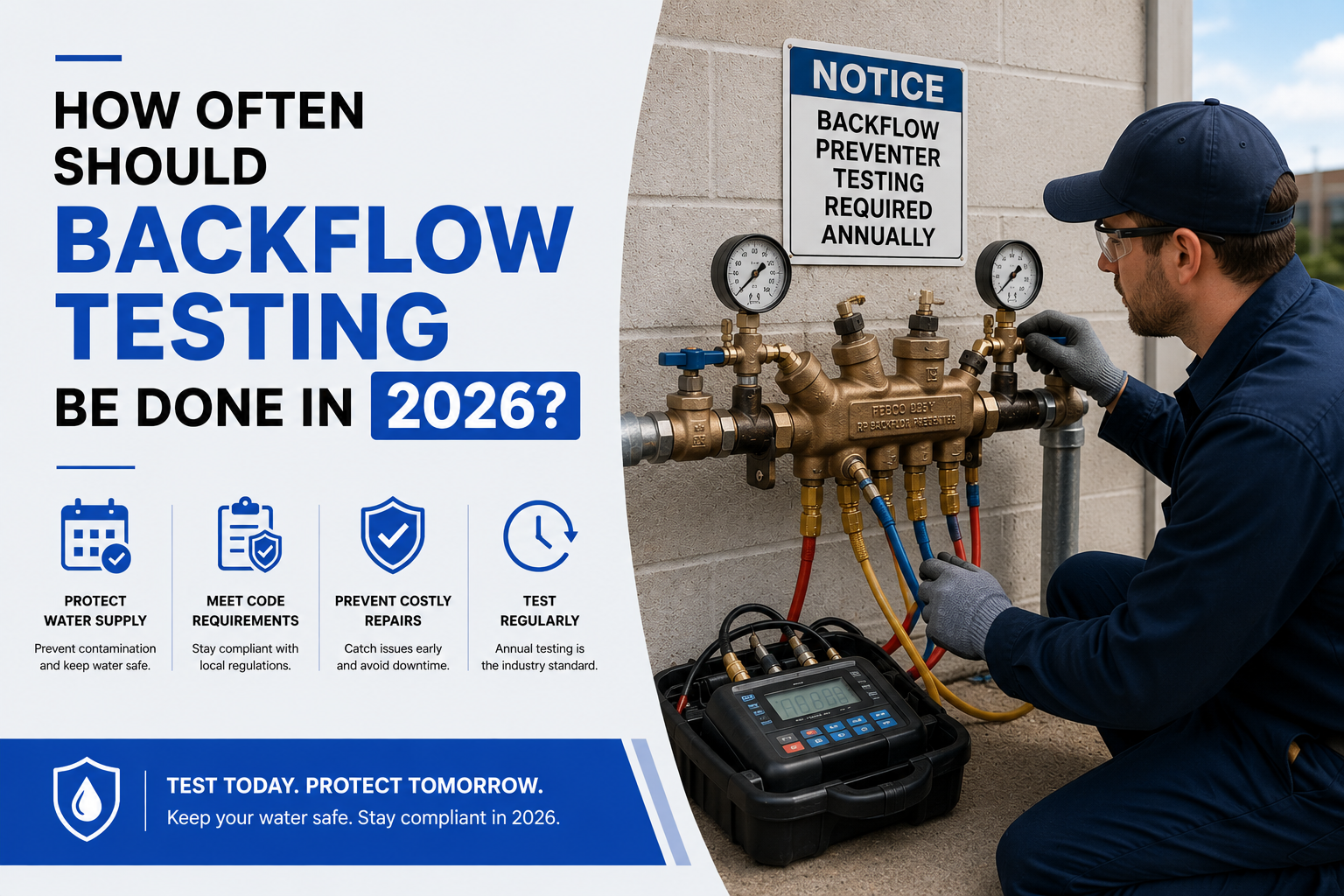
Backflow tests should typically be conducted annually, per plumbing codes and laws, but in some cases, more frequent testing is necessary, especially when the property has an irrigation system, a fire-suppression system, commercial equipment, or a history of high water usage. It would be prudent to test your backflow device(s) after any plumbing repairs or renovations, as well as whenever your home experiences changes in water pressure from the municipal supply. If you often call a plumber to unblock due to backflow problems, this may indicate that your property regularly experiences backflow issues. Regular backflow testing helps ensure your systems remain compliant, efficient, and safe year-round.
Why Do You Need Regular Backflow Testing?
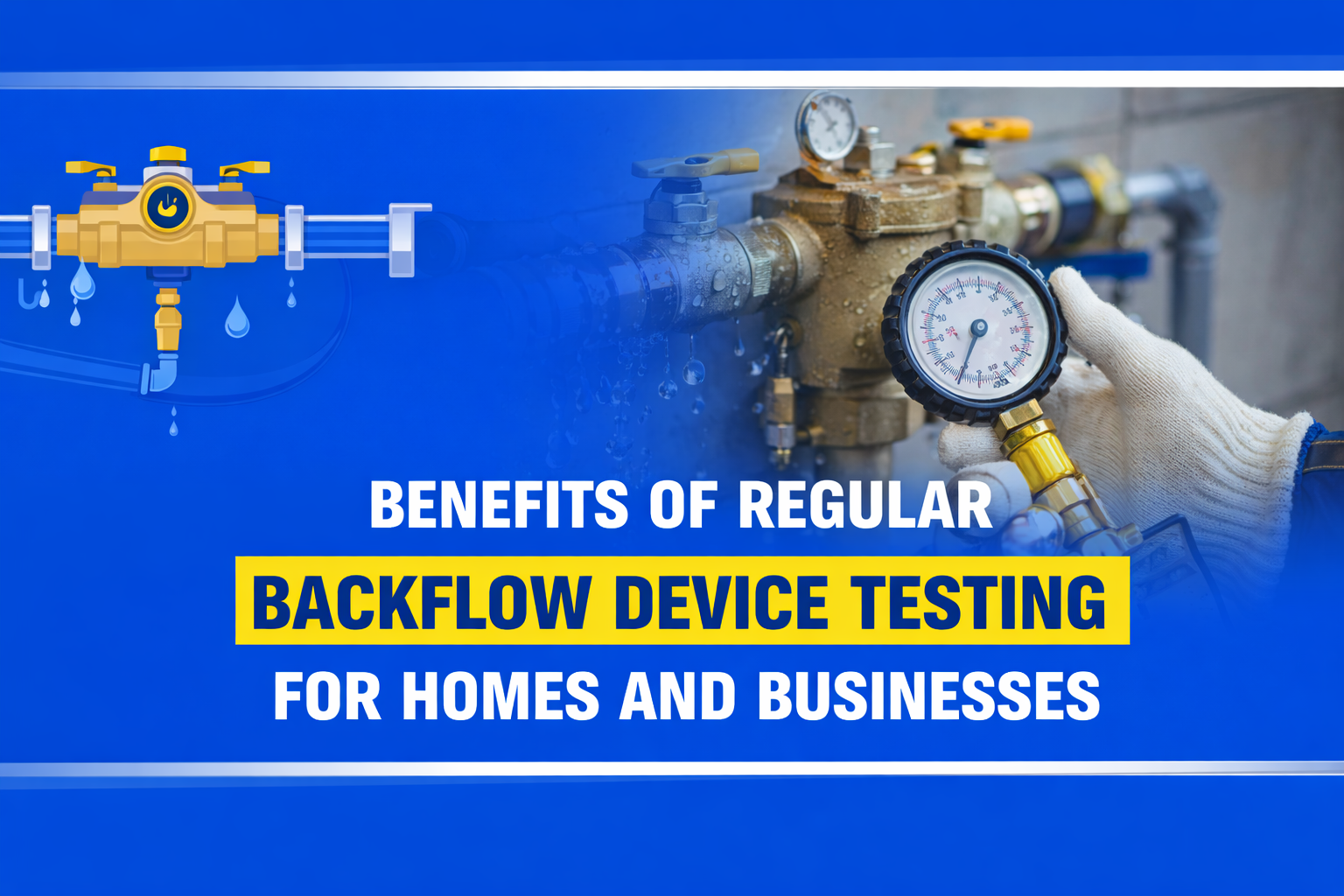
Backflow testing is regularly conducted to prevent contaminated water sources from compromising water quality, maintain plumbing efficiency, and ensure compliance with local, federal, and state regulations that apply to plumbing systems. In addition to testing, regular maintenance should include cleaning and disinfecting backflow preventers and inspecting for leaks. Backflow preventers will develop mineral buildup, clogs, and/or corrosion over time. If backflow preventers show signs of wear and tear, an inspection will allow for timely repairs or replacements.
In terms of costs, timely inspections of backflow devices can save an organization money on emergency plumbing services and the associated repair costs. In addition to saving money for an organization, backflow testing can also safeguard the health and well-being of occupants and surrounding communities. Backflow testing provides an organization with peace of mind and ongoing protection for its plumbing systems.
Final Takeaway
Not a simple clog causes every plumbing problem. Backflow, which brings wastewater back into your system, can be a latent factor behind plumbing troubles and unsafe drinking water. By understanding how backflow occurs, the risks it poses, and when to regularly check backflow prevention devices, you can take the steps needed to keep your plumbing safe. Regularly checking and replacing backflow device components will protect against health hazards, save money on maintenance and repair costs, and provide a continual clean water supply. By proactively checking for backflow, you can save time and money by avoiding future major plumbing issues and safety hazards.

0 Comments