
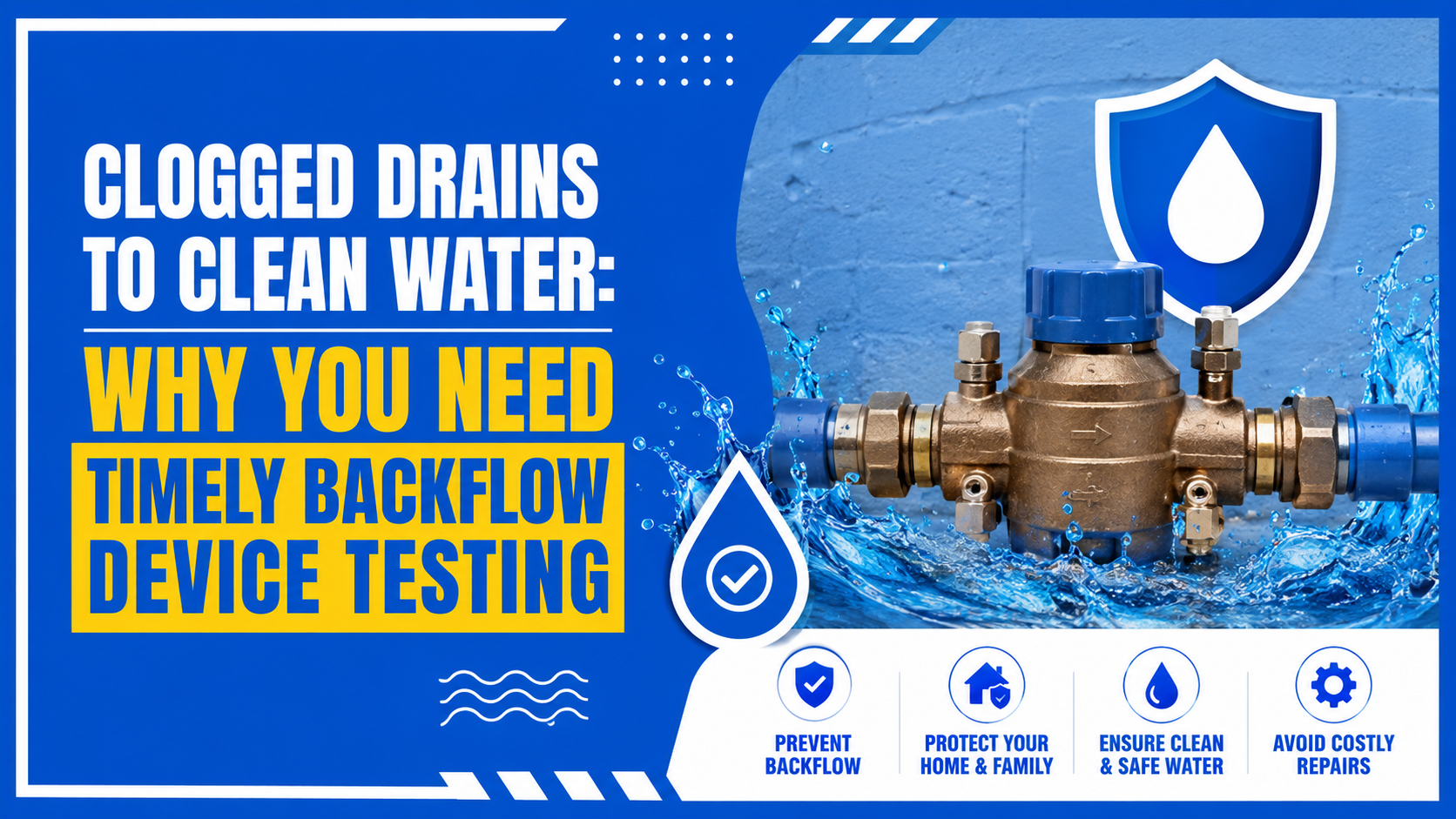
Most Australian homeowners and business operators pay close attention to visible plumbing problems, such as a leaking tap, a slow-draining sink, or a burst pipe. But one of the most serious threats to your property’s water quality is one you often can’t see until it’s too late, like backflow. When water reverses direction through your pipes, contaminated wastewater can mix with your clean drinking supply, creating health hazards that no household or business should face. The link between clogged drains and compromised water quality is closer than most people realise, and timely backflow device testing is the frontline defence that keeps your water safe.
At Guru Plumbing, we’ve been protecting Australian homes and businesses from exactly these kinds of risks for nearly three decades. Our licensed team delivers expert blocked plumbing services and backflow solutions across residential, commercial, and industrial properties nationwide. Contact us to know more regarding how we can help safeguard your water supply today.
What Is Backflow and Why Does It Happen?
Backflow occurs when water flows in the reverse direction through your plumbing system. Instead of clean water moving forward into your taps and fixtures, contaminated water is pushed or pulled backwards into the freshwater supply. This reversal can happen in two ways: back-pressure, where downstream pressure exceeds the supply pressure, and back-siphonage, where a sudden drop in supply pressure creates a vacuum that pulls water backwards.
Backflow is more common than most people expect. They include:
- Broken or burst water mains that disrupt normal pipe pressure
- Hydraulic shocks caused by water suddenly stopping in a pipe
- Blocked or damaged drainage systems that create pressure imbalances
- High-demand events, such as firefighting operations, draw heavily on the water supply
- Poorly maintained or ageing plumbing systems in older properties
When any of these situations arise, a properly installed and regularly tested backflow prevention device is the only reliable barrier standing between clean water and contamination.
Connection Between Clogged Drains and Backflow Risk
It may not be immediately obvious, but blocked drains and backflow risk are directly connected. When drains become obstructed, whether from grease, hair, tree root infiltration, or foreign objects, the pressure dynamics within your plumbing system are thrown off balance. Accumulated blockages can cause wastewater to build up and reverse flow direction, particularly in older pipe networks that were not designed to handle modern water demand.
Neglecting routine maintenance and blocked plumbing services over time creates conditions that make backflow incidents far more likely. A drain that’s been partially blocked for months doesn’t just slow your water; it quietly stresses your entire plumbing system, increasing the pressure irregularities that trigger backflow events. This is why addressing drainage problems promptly isn’t just about convenience. It’s a critical part of protecting your property’s water safety.
What Does a Backflow Prevention Device Do?
A backflow prevention device is installed on the freshwater pipe at your property and acts as a one-way gate, allowing clean water to flow in but preventing any reversal of that flow. These devices are essential in properties where there is a potential cross-connection between potable water and a contamination source, such as:
- Restaurants and commercial kitchens with grease traps
- Construction sites and manufacturing facilities
- Properties with irrigation systems connected to the mains
- Buildings with fire sprinkler systems
- Any property where chemicals or industrial fluids are used near plumbing
Without a properly functioning backflow preventer, contaminants, including lead, arsenic, bacteria, and industrial chemicals, can enter the drinking water supply, posing serious health risks to residents, staff, and the broader community.
Why Timely Backflow Device Testing Matters
Installing a backflow prevention device is only half the equation. Over time, the internal components of these devices can wear, corrode, or fail, particularly in high-demand environments. A device that was working perfectly at installation may no longer provide adequate protection years later without proper servicing. This is why regular backflow device testing is not just recommended; in most Australian states and territories, it is a legal requirement.
Local water authorities across Australia mandate that backflow prevention devices be tested annually by a licensed plumber. Failure to comply can result in significant fines, penalties, and legal liability, particularly for commercial and industrial property operators. Beyond compliance, timely testing delivers real, practical benefits:
- Early fault detection: Testing identifies worn seals, valve failures, or pressure irregularities before they lead to contamination events
- Cost savings: Catching a failing device early is far cheaper than dealing with contaminated water, pipe corrosion, or property damage caused by backflow
- Health protection: Regular testing ensures your drinking water remains safe for everyone on the property
- Regulatory compliance: Documented testing records protect property owners during council audits and insurance assessments
- Peace of mind: Knowing your backflow system is fully operational removes a significant and often overlooked liability from your property
What Happens During a Backflow Device Inspection?
A professional backflow device inspection involves a systematic assessment of your prevention device to confirm it is operating within the correct pressure parameters and that all internal components are functioning as intended. A licensed plumber will:
- Isolate and test the backflow prevention assembly using calibrated testing equipment
- Check internal valves, seals, and pressure relief components for wear or failure
- Record the test results and tag the device with the date of inspection
- Provide a compliance certificate or report for submission to your local water authority
- Recommend repairs or replacement if the device is found to be faulty or non-compliant
The entire process is straightforward and minimally disruptive, typically completed in a single visit. Having accurate records on file not only satisfies regulatory requirements but also makes future audits and insurance reviews far simpler to manage.
How Often Should You Schedule Testing?
For most properties, backflow prevention devices should be tested once per year, on the anniversary of the previous test. However, some local councils and water authorities may require more frequent testing depending on the property’s risk level. High-risk sites such as factories, hospitals, large commercial kitchens, and industrial facilities are typically subject to stricter testing schedules.
If your property has never had its backflow device tested, or if you are unsure when the last inspection took place, it is important to schedule a professional assessment as soon as possible. A lapse in testing not only puts your water supply at risk, but it may also put you in breach of your local council’s compliance obligations.
Conclusion
The journey from clogged drains to clean water isn’t just about clearing blockages; it’s about understanding the full picture of your property’s plumbing health. Blocked pipes, pressure imbalances, and ageing infrastructure all contribute to backflow risk, and without a tested, fully operational prevention device in place, your drinking water supply is more vulnerable than you might think.
Guru Plumbing offers comprehensive backflow device inspection and testing services across Australia, backed by nearly three decades of industry expertise. Whether you need an annual compliance test, a full backflow system assessment, or professional blocked plumbing services to address the underlying drainage issues driving your risk, our licensed team is ready to help. Don’t wait for a water quality problem to reveal itself. Contact Guru Plumbing today at guruplumbing.com.au and keep your water clean, safe, and fully compliant.
0 Comments