
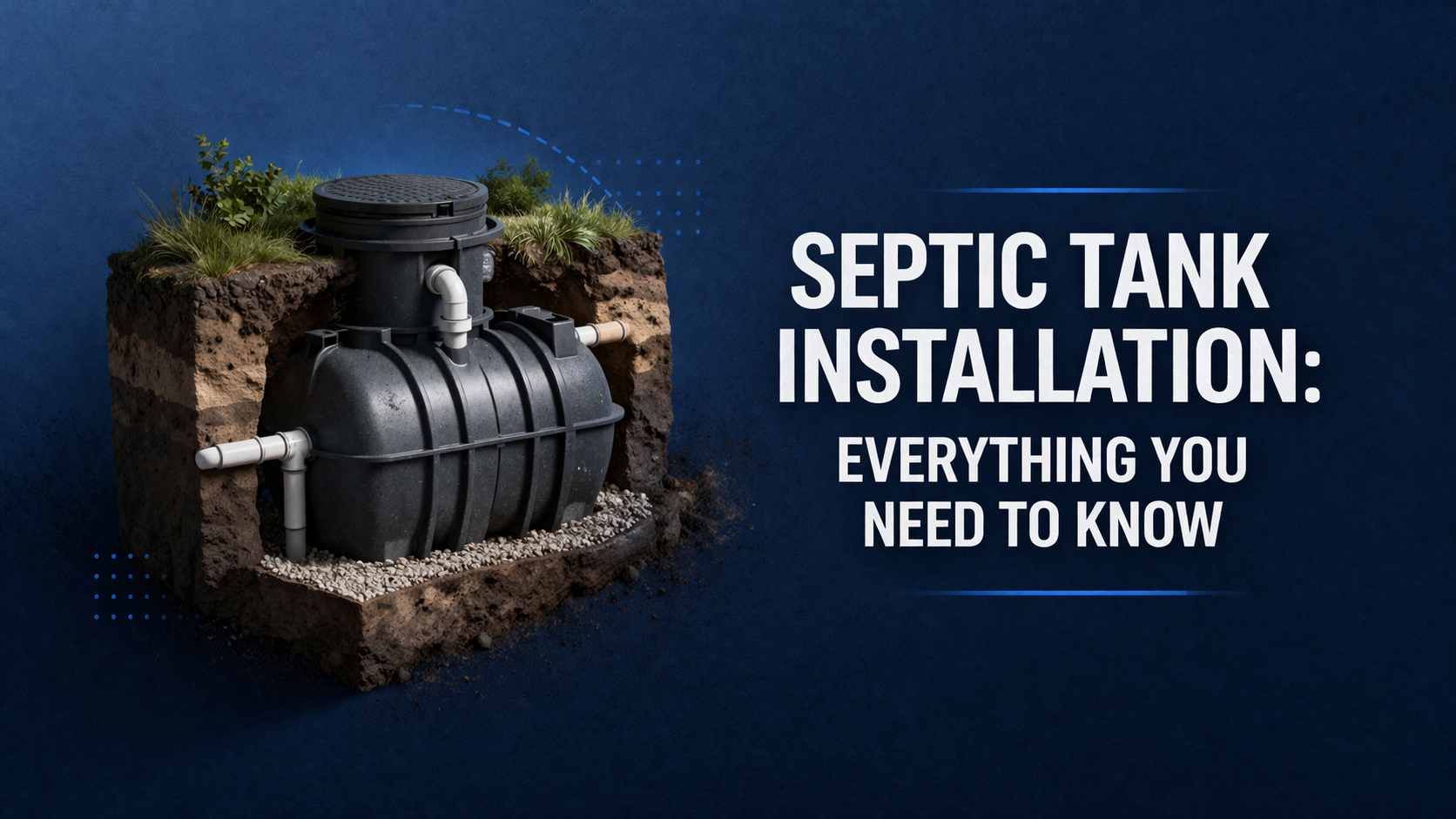
A septic system is an underground wastewater treatment setup that typically includes a tank and a drain field. Wastewater from your home flows into the tank, where solids settle at the bottom, and lighter materials like grease float to the top. The partially treated water then moves into the drain field, where it is naturally filtered through the soil. Managing household wastewater efficiently is essential, especially in areas without access to centralized sewer systems. A well-designed septic tank installation provides a reliable, eco-friendly solution for waste disposal. Understanding how the process works, what it involves, and how to maintain it can help homeowners avoid costly mistakes and ensure long-term performance.
What Is a Septic System?
This system plays a crucial role in maintaining your property’s hygiene and preventing contamination.
Why Proper Septic Tank Installation Matters
Getting the septic tank setup right from the beginning is critical. Poor artistry or incorrect planning can lead to unpleasant odours, groundwater pollution, and frequent system failures. A properly installed unit ensures:
- Safe and effective waste treatment
- Protection of nearby water sources
- Reduced need for repairs and maintenance
- Long-term cost efficiency
Investing in quality work upfront helps prevent larger problems down the line.
Planning Before You Begin
Before any digging starts, careful planning is required. Several factors influence how the system should be designed and installed.
Site Assessment
The condition of your land plays a major role. Soil type, drainage capacity, and slope must all be evaluated. Then we conduct a percolation (perc) test to determine how well the soil can absorb water.
Permits and Regulations
Permits from local authorities are required for this type of project. Regulations vary depending on your region, and following them is essential to avoid legal issues or fines.
System Design
The size of the tank and layout of the drain field depend on the number of occupants in your home and daily water usage. A properly sized system ensures smooth operation without overloading.
Step-by-Step Installation Process
Understanding the general steps involved can help you stay informed throughout the project.
Excavation
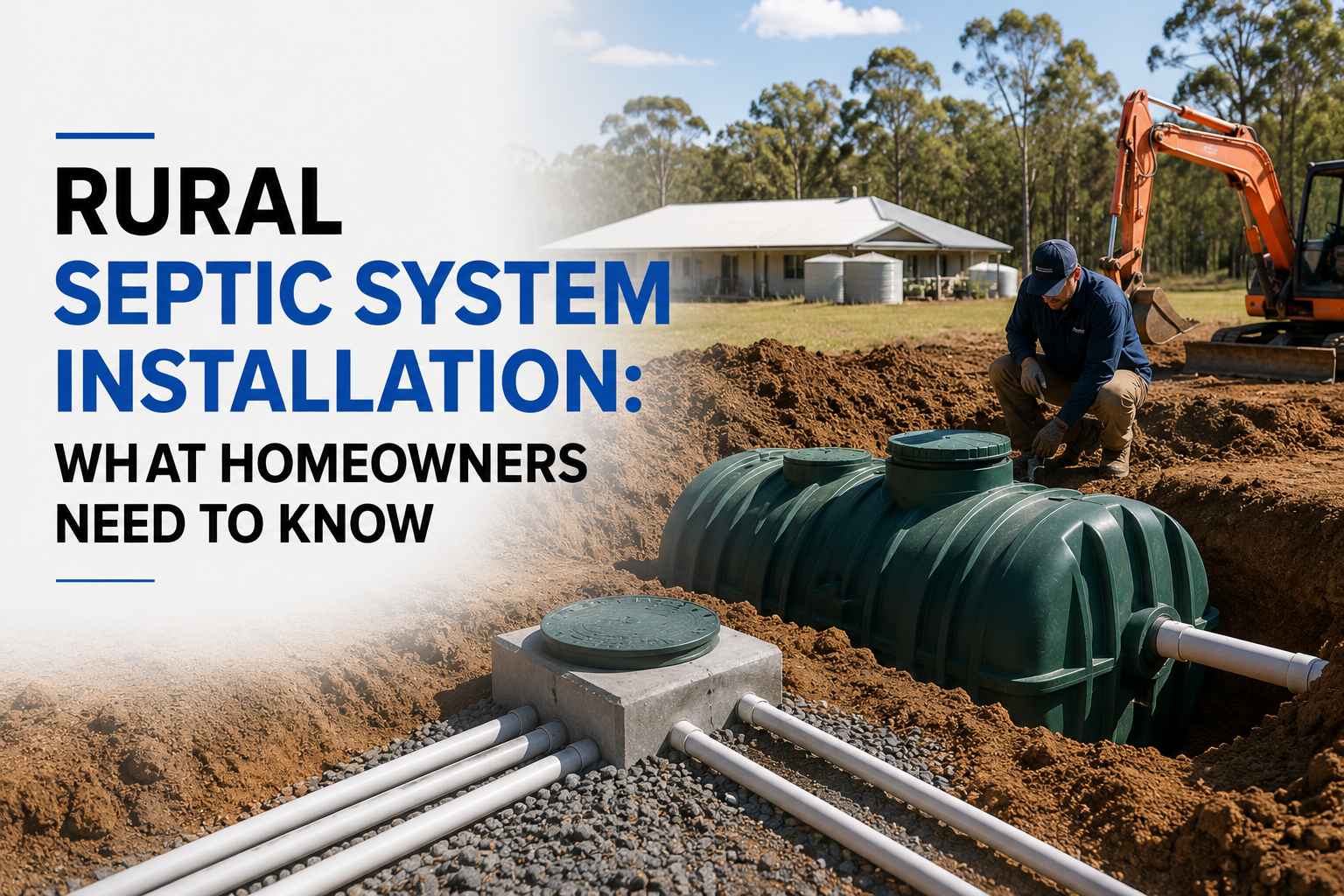
The first step is preparing the site by digging the necessary space for the tank and drainage area. Accuracy is important to ensure proper alignment.
Tank Placement
We position the tank carefully in the excavated area. It must be secured to function correctly over time.
Pipe Connections
Install the pipes to carry wastewater from the house to the tank and then to the drain field. Proper sealing and alignment are essential to prevent leaks.
Drain Field Construction
Then we place perforated pipes in gravel-filled trenches. This setup allows wastewater to gradually filter into the soil, where natural processes remove harmful bacteria and nutrients.
Final Testing
Once everything is in place, we test the system to ensure it operates efficiently. Then we cover the area.
Cost Considerations
The total expense can vary based on several factors, including:
- Size and material of the tank
- Soil condition and ease of excavation
- Labor charges in your area
- Permit and inspection fees
While the initial cost may seem high, a well-installed system can last decades, making it a worthwhile investment.
Common Mistakes to Avoid
Many homeowners run into trouble by overlooking key aspects of the process. Here are some common errors:
- Skipping soil testing, leading to poor drainage
- Choosing the wrong tank size for the household
- Installing the system too close to wells or water bodies
- Attempting a DIY approach without proper expertise
Avoiding these mistakes can save both time and money.
Maintenance Tips for Long-Term Performance of a Septic Tank
Every septic tank system requires regular care to function properly. Simple maintenance practices can significantly extend its lifespan:
- Schedule pumping every 3–5 years
- Avoid flushing non-biodegradable items
- Limit the use of harsh cleaning chemicals
- Conserve water to prevent overloading
Routine inspections also help detect minor issues before they become major problems.
Conclusion
A well-planned Septic Tank Installation is essential for maintaining a safe and efficient wastewater management system. By understanding the process, following regulations, and committing to regular maintenance, homeowners can enjoy a dependable setup for many years.
Taking the time to do it right ensures not only the longevity of the system but also the health of your property.
Frequently Asked Questions
What are the essential steps for a septic tank installation for a home?
Installing a septic system begins with site evaluation, followed by selecting the right tank size and materials. It then involves proper installation, proper drainage setup, and compliance with local codes to ensure safety and prevent contamination.
What are the legal requirements for installing a septic tank in India?
In India, septic system approvals are usually required from local municipal bodies or panchayats.
How do I choose the right septic tank size for my home?
Tank size depends on household members and daily water usage. For example, a family of four typically needs a septic tank with a capacity of 1,000–1,200 litres.
What are the common types of septic tanks used in India?
The most commonly used options include concrete, fibreglass, and plastic (polyethene) tanks.


0 Comments