

The need for a septic tank is significant if you live in an area without access to a centralised municipal sewage system. As a property owner, you can manage household waste by installing a septic tank. This helps in maintaining cleanliness. However, the installation process needs proper planning. You must have thorough knowledge of the installation process to ensure the task is completed in accordance with local regulations. This blog takes you through the various steps of septic tank installation within a residential property.
Let Us Understand What a Septic System Is
A typical septic system is an underground wastewater treatment system, mostly used in regions without a proper sewer system. It mainly treats wastewater from kitchens, toilets, and laundry rooms. The treatment uses a blend of natural and modern technologies. Some of the main components of a septic system are:
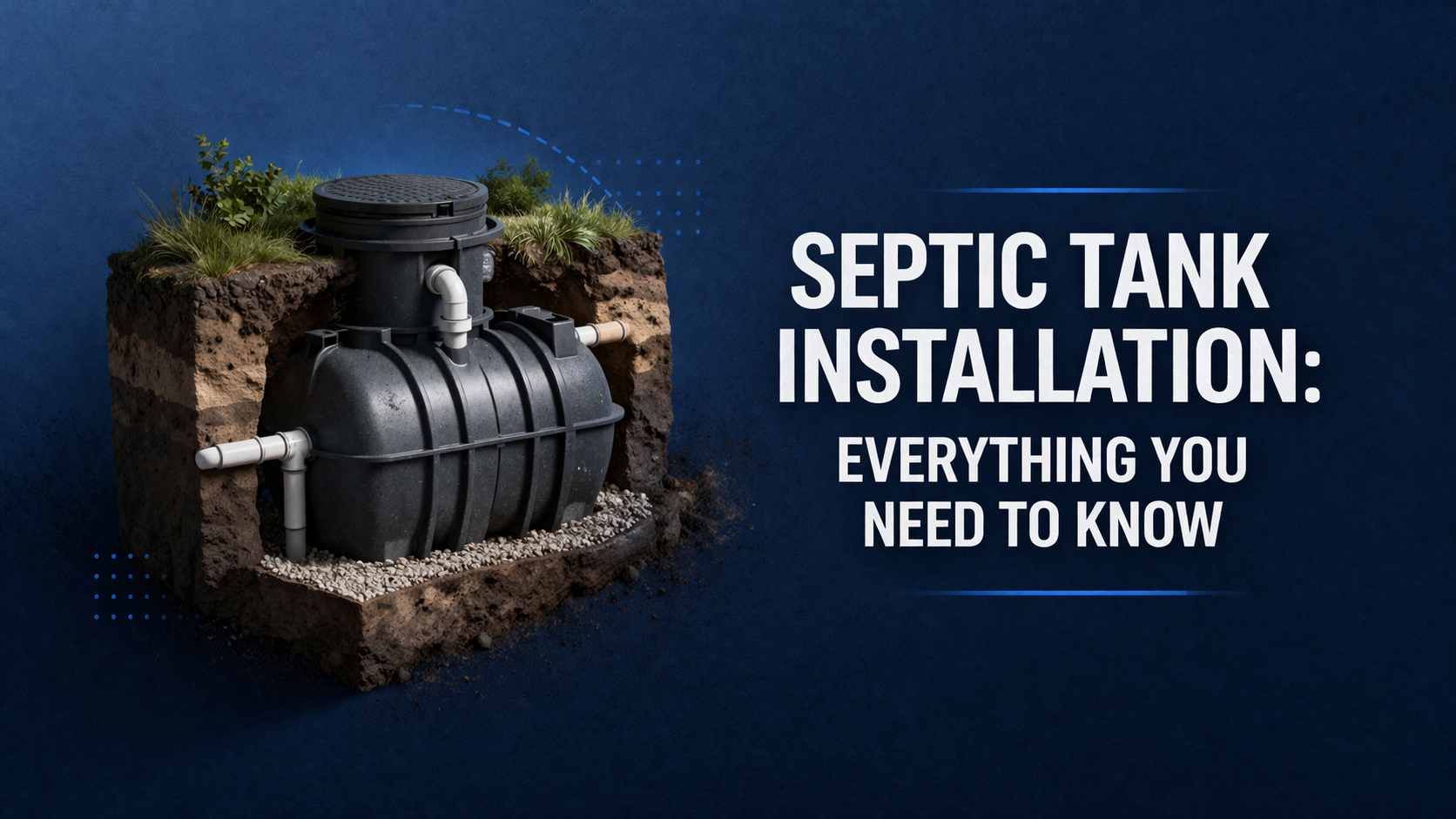
- Septic Tank – This is the central part of the entire system. This is a large, watertight container placed underground. The tank is designed to store and treat the wastewater. The tank separates the scum and solid particles from the water, thus permitting the waste to be broken down by bacteria.
- Drain Field – This is an area where the treated liquid or water is released deep into the ground. The soil in the drain field helps in filtering the contaminants before the liquid returns to the groundwater system
- Soil Absorption Structure – Here, the drain field treats the liquid part of the wastewater. The soil absorbs and filters all the toxic elements, keeping the entire system in great condition.
A septic tank is Essential for Maintaining Hygiene and Cleanliness
A proper wastewater distribution can’t be done if your property doesn’t have a planned drainage system. A septic tank can help you in the easy distribution of wastewater.
Planning and Permitting
The installation of septic tanks needs precision and knowledge. You must obtain the necessary legal permissions from local authorities before proceeding with the installation. Soil testing and site inspection are conducted before construction begins. These tests help determine the tank’s size and prepare the installation budget.
Selecting the Right Kind of Septic Tank
Tank size, material quality, and costs are key factors in selecting a septic tank. A small tank may require frequent plumbing. An oversized tank may result in unnecessary waste management.
Preparing the Construction Site and Excavation
After selecting the most suitable tank, you must consult a professional septic tank installer to obtain an estimate for preparing the construction area and excavating. Professional assistance is needed to ensure the task is done efficiently and the tank lasts for decades.
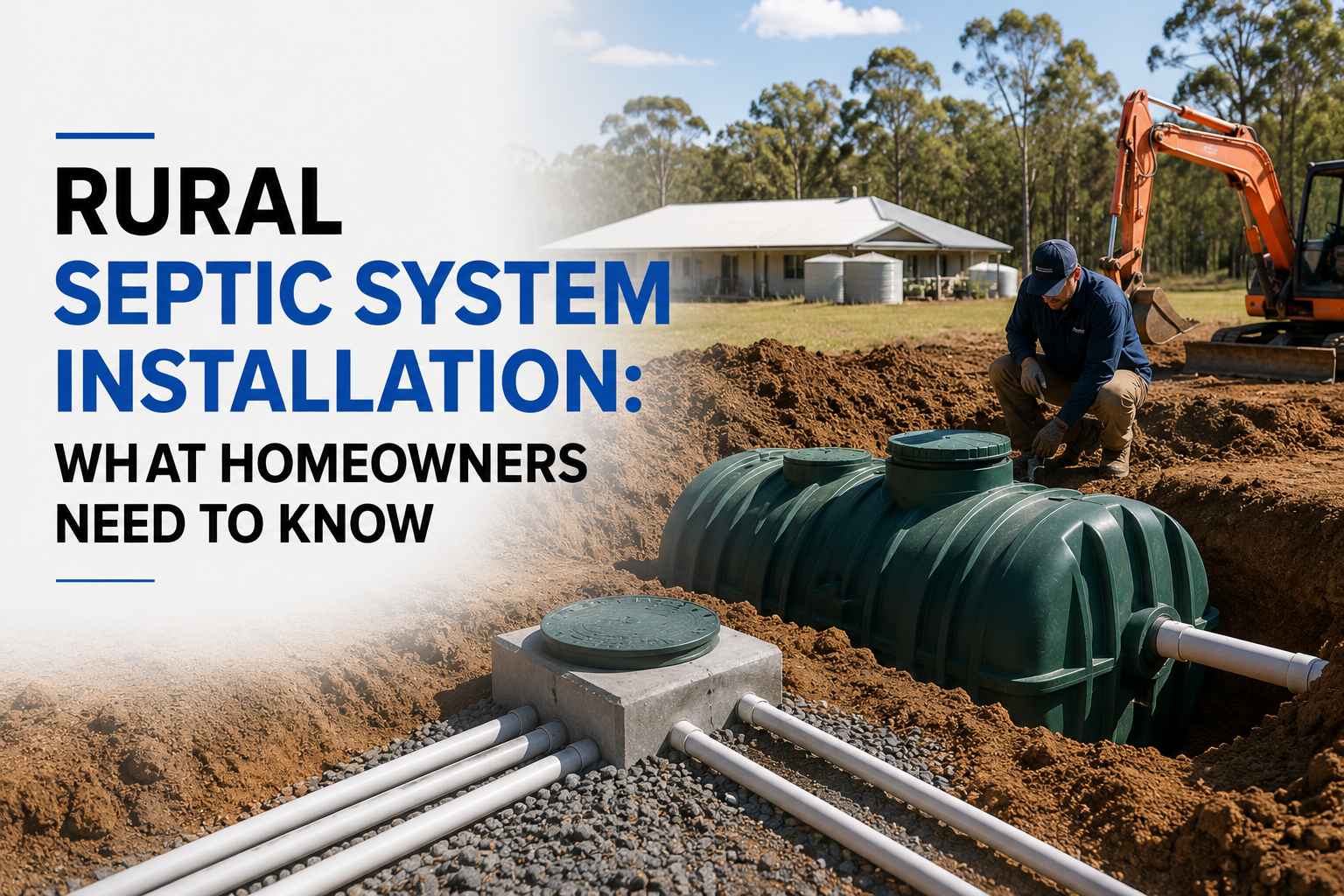
You must keep the land clear. Make sure no trees, roots, or debris come in the way of the tank and drainage system. The land must have ample space for the tank, and the excavation machinery must have easy access to the area. Guru Plumbing experts monitor everything to ensure the site complies with local guidelines and applicable laws.
Excavating the septic tank site needs understanding and precision. The hole for the tank must be deep and wide enough to accommodate the entire tank. Dig deep to ensure the tank is completely buried, but keep it accessible for future repairs and maintenance.
Septic Tank Installation
This is the most critical phase in the entire septic tank erection process. Proper fittings and secure connections guarantee durability and help prevent costly maintenance or repairs. Once the excavation is complete, the installer will fit the tank deep into the excavated hole.
The entire installation process is carried out under the supervision of a highly skilled septic tank installer. The installer will use heavy machinery to lower the tank. Check the tank level to prevent future damage. Guru Plumbing trained installers ensure that all inlet and outlet pipes are properly installed to keep the system running smoothly and without mess.
Align the inlet pipes properly and keep them slightly inclined to allow gravity to carry the wastewater into the tank. The outlet pipes should also be sloped to carry the treated liquid from the tank to the drain field. Your installer will then seal the joints between the two pipes to prevent leaks.
Sealing the Tank
Sealing the tank is essential to prevent leaks. This is important because leaks may lead to groundwater pollution. There could be cracks or damage during installation. Check everything carefully and seal it with a water-resistant sealant to ensure smooth septic system operation.
Conclusion
You must not compromise on your residence’s wastewater management. An efficient septic tank installation, when partnered with the experts at Guru Plumbing, can be rewarding. We provide customised solutions to meet your requirements and adhere to every safety measure. We ensure all installation work is carried out in accordance with local authority rules and regulations, and keep it operational for many years to come. We also provide water heater installation service depending on your needs and specifications.
FAQ
1. Why do I need a septic tank?
You need a septic tank when your residential property is not linked to a centralised municipal sewer system. If you reside in a rural or semi-rural area, connecting your wastewater system to the city sewer system is costly and often impossible. In such cases, you must opt for a septic tank installation.
2. How long does an installation of a septic tank take?
Generally, installing a septic tank takes 7 to 8 days, depending on the area covered. For permission and testing, the process might take 1 to 4 days. For physical testing and installation, it takes around 3 to 4 days.
3. How long does a septic tank last?
A septic tank can last for decades. However, you must ensure the tank is cleaned or emptied every 2-3 years. The tank’s durability depends on how you maintain, clean, and monitor the entire septic system.
4. Can I install a septic tank myself?
It is impossible to perform septic tank installation on your own. You must hire a licensed installer to perform the soil inspections and entire installation work efficiently. Improper installation can result in septic system failures and penalties.

0 Comments